Reviewing In My Thankful Preschool Teacher Era
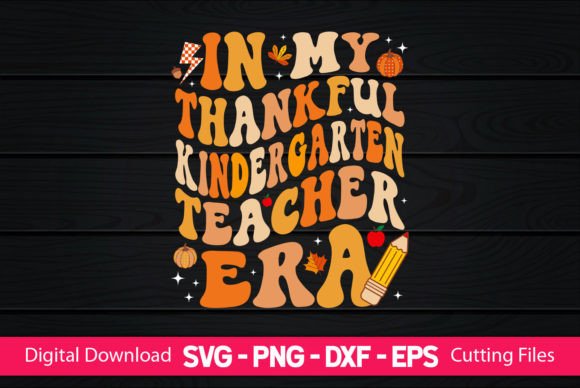
As a designer who spends more time staring at stitch simulations than I care to admit, I have learned that not every cute graphic translates well to thread. We often see digital files that look perfect on a screen but turn into a tangled mess of puckered fabric once the needle hits the hoop. That is why I approach every new machine embroidery design with a healthy dose of skepticism and a stack of scrap fabric. Recently, I took a close look at In My Thankful Preschool Teacher Era, a design that has been circulating among crafters and Etsy sellers. This isn’t just a quick glance; this is a practical evaluation of how this specific graphics asset holds up when moved from the digital realm into the tactile world of Crafts and apparel.
First Impressions: Mood and Visual Personality
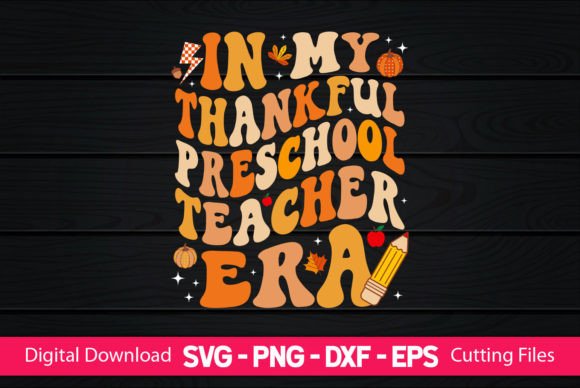
The phrase "In My... Era" has become a cultural shorthand for identifying with a specific phase of life, and applying it to preschool teachers is a clever, timely twist. Visually, the design leans into a playful, approachable aesthetic. It does not try to be overly ornate or stiff. Instead, it feels organic and friendly, which is exactly the vibe you want when creating items for educators who spend their days managing chaos with kindness. The layout appears balanced, with a mix of typography and likely some decorative elements that suggest gratitude and warmth. For an embroidery project, this mood is crucial. You are not just stitching letters; you are stitching sentiment. The design needs to feel inviting, not corporate.
When I first loaded the file to inspect the paths, I looked for clean lines and logical color breaks. A good digital embroidery file should minimize unnecessary jumps and trims. While I cannot speak to the exact stitch count without running it through my software, the visual weight suggests it is designed for clarity. It avoids the trap of being too dense, which is a common pitfall in text-heavy designs. This openness is vital for maintaining the softness of the fabric, especially if you are working with cotton blends or fleece.
Real-World Application: The Tote Bag Test
To truly understand the value of In My Thankful Preschool Teacher Era, I imagined a specific use case: a custom tote bag for a teacher appreciation week gift. Tote bags are a staple for small shop products because they are practical and offer a large, flat canvas. However, canvas can be tricky. It has a visible weave that can interfere with small details.
If I were stitching this onto a natural cotton tote, I would pay close attention to the stitch density. If the design relies heavily on fill stitch areas, it might pull the fabric if not properly stabilized. I would recommend using a cut-away stabilizer for a tote to ensure the design remains crisp after being loaded with books and supplies. The contrast between the thread and the natural fabric would be key here. A deep navy or forest green thread against cream canvas would make the text pop, enhancing the visual appeal of the finished product. This kind of thoughtful execution builds customer trust, showing that the maker understands both design and durability.
Versatility Across Apparel and Decor
Beyond totes, this design shines in custom apparel. Imagine it embroidered on the left chest of a cozy sweatshirt. This is a popular request for handmade product lines. The placement needs to be precise. Because the phrase is somewhat long, scaling it down for a chest pocket area requires careful checking. You must ensure the smallest letters remain legible. If the hoop size is limited, you might need to resize the design, which brings me to a critical point: always check the minimum recommended size provided by the creator.
For baby embroidery or nursery decor, such as a pillow cover or a blanket, the softness of the thread choice matters. Using a high-quality rayon or polyester thread can add a sheen that elevates the look. However, on stretchy fabrics like jersey knits used in t-shirts, you must be cautious. A design that is too dense can cause the fabric to pucker around the edges. In these cases, testing on a scrap piece of the exact same fabric is non-negotiable. It saves you from ruining a final garment and ensures your brand consistency remains high.
Navigating Technical Challenges
There are scenarios where In My Thankful Preschool Teacher Era requires extra caution. Curved surfaces, like caps or hats, present a unique challenge. The distortion caused by the curve can warp text. If you plan to use this as an embroidered patch or directly on a cap, consider breaking the design into smaller sections or using a specialized cap frame. Additionally, dark fabrics require careful planning of underlay stitches to prevent the background color from showing through the top stitching. This is where knowledge of thread colors and layering becomes essential for a professional result.
Another consideration is washing. Preschool teachers are hands-on workers. Their clothes and bags get dirty. They get washed. Frequently. A design with loose satin stitch borders or poorly secured running stitch ends may unravel over time. Ensuring that the digitizing includes proper tie-offs and secure anchoring is part of what makes a design commercial-grade. If you are an Etsy seller, your reputation depends on the longevity of the items you sell. A faded or frayed design reflects poorly on your craft business, regardless of how cute the initial concept was.
Designer Notes for Best Results
Before you commit to stitching this on your best linen or your client’s favorite hoodie, take these practical steps. First, verify the file formats. The product description mentions SVG, PNG, DXF, and EPS. These are primarily cutting machine formats. If you are doing machine embroidery, you need to confirm if actual embroidery files (like PES, DST, or JEF) are included or if you are expected to digitize the SVG yourself. This distinction is critical. Using a cut file as an embroidery pattern without proper digitizing will result in poor quality.
- Test on Scrap Fabric: Always run a test stitch-out on the same type of fabric you intend to use for the final product.
- Check Stabilizer Compatibility: Match your stabilizer to your fabric weight. Heavy fabrics need less support; light fabrics need more.
- Review Stitch Density: If the design feels heavy, consider reducing the density in your software if you have editing capabilities.
- Contrast Check: View the design in black and white to ensure the shapes are distinct and readable without color reliance.
- Licensing Verification: Confirm whether the license allows for commercial use if you plan to sell the personalized gift or commercial embroidery items.
In conclusion, In My Thankful Preschool Teacher Era offers a charming, relevant theme that resonates with its target audience. Its success in your embroidery project depends less on the cuteness of the phrase and more on your technical execution. By respecting the limitations of your materials, choosing the right stabilizers, and verifying your file types, you can transform this digital asset into a cherished holiday embroidery piece or a year-round staple in your small shop product lineup. It is a solid candidate for design assets libraries, provided you approach it with the precision it deserves.